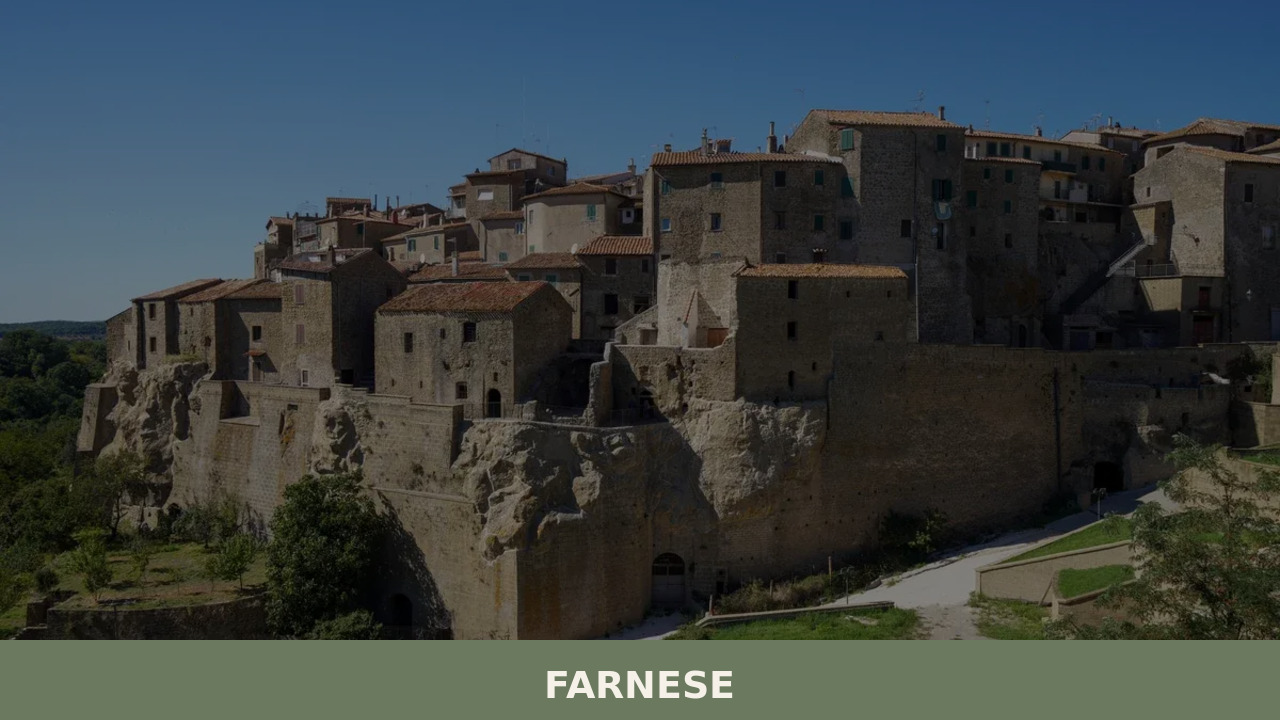
Nestled in the heart of the Lazio region, just a stone’s throw from the Tuscan border, lies Farnese – a captivating village steeped in history, nobility, and unspoiled natural beauty. Often overshadowed by its more famous neighbors, this hidden gem offers a genuine glimpse into Italy’s rich past, inviting travelers to wander its ancient streets and uncover stories etched in stone. If you’re wondering
cosa vedere a Farnese, prepare to be charmed by its Renaissance elegance, medieval echoes, and the serene landscapes that embrace it. Join us on a journey to explore every facet of this remarkable borgo, from its illustrious family namesake to its breathtaking surroundings.
The very name “Farnese” evokes a powerful legacy, that of one of Italy’s most influential noble families. The village’s history is inextricably linked to this dynasty, which rose to prominence in the Lazio region during the Middle Ages and reached its zenith in the Renaissance with figures like Pope Paul III. Originally a medieval fortress, Farnese underwent significant transformation under the family’s patronage, evolving into a refined residential center that mirrored their power and sophisticated tastes. While the Farnese family’s primary seat of power eventually shifted to grander palaces in Rome and Caprarola, their ancestral roots in this small village remained. The architecture and urban planning of Farnese still bear the indelible mark of their influence, with elegant buildings and a carefully structured layout that speaks volumes of a glorious past. Walking through Farnese is like stepping onto a living stage where history unfolds with every cobblestone and archway. For a deeper dive into the Farnese family’s history, you can explore their extensive legacy on
Wikipedia.
When planning your visit, knowing
cosa vedere a Farneseis key to unlocking its full potential. The village, though compact, is rich in architectural treasures and picturesque corners waiting to be discovered.
The undisputed heart of the village is the majestic
Palazzo Farnese. Though not as grand as its namesake in Caprarola, this palace is a significant example of Renaissance architecture and a testament to the family’s enduring presence. Built atop the remains of an earlier medieval fortress, the current structure dates back to the 16th century. Its imposing facade, elegant courtyards, and well-preserved interiors offer a fascinating glimpse into the life of the nobility. While public access can sometimes be limited to specific events or guided tours, even admiring its exterior and imagining the stories within is a rewarding experience. The palace dominates the main piazza, serving as a constant reminder of the village’s noble heritage.
Adjacent to the Palazzo Farnese, the Church of the Santissimo Salvatore (Most Holy Savior) is another focal point of the village. Rebuilt and renovated over centuries, its current appearance largely reflects Baroque influences. Inside, visitors can admire various artworks, including altarpieces and frescoes that tell tales of faith and local devotion. The church’s bell tower, often visible from different points in the village, adds to Farnese’s charming skyline.
Beyond the grand palace and church, the true magic of Farnese lies in its
borgo antico– the ancient village itself. Lose yourself in the labyrinthine network of narrow, winding alleys, characteristic of medieval Italian villages. Discover hidden piazzette, archways, and stone houses adorned with vibrant flowers. Every corner seems to reveal a new detail, from ancient doorways to small artisan workshops. This is where the human, authentic spirit of Farnese truly comes alive, inviting leisurely strolls and spontaneous discoveries. Don’t rush; simply absorb the atmosphere.
Farnese isn’t just about historical architecture; it’s also a gateway to breathtaking natural landscapes. Just outside the village lies the
Riserva Naturale Regionale Selva del Lamone. This expansive, ancient forest is a paradise for nature lovers and hikers. What makes it particularly unique is its volcanic origins, which have shaped a rugged, wild terrain with fascinating rock formations and lush vegetation. Within the Selva del Lamone, you can discover remnants of ancient civilizations. The most notable are the Etruscan necropolises, particularly those around Castro (an ancient city destroyed in 1649) and Pitigliano. These archaeological sites offer a poignant connection to the region’s pre-Roman past, with tombs carved directly into the tufa rock. Hiking trails wind through the reserve, leading you past these historical treasures and through serene, untouched woodlands. For more information on exploring the natural parks and reserves in the Lazio region, you can consult the official regional tourism site, such as
Visit Lazio.
To make the most of your trip and truly appreciate
cosa vedere a Farnese, here are some practical tips:
While Farnese offers plenty to see and do, its strategic location makes it an excellent base for exploring other enchanting villages and natural wonders in the Tuscia Viterbese and southern Tuscany. If you have more time, consider visiting:
Farnese is more than just a destination; it’s an experience – a journey back in time to an era of noble families, ancient forests, and timeless Italian charm. Whether you’re captivated by its Renaissance architecture, the whispers of Etruscan history, or the tranquility of its natural reserve, Farnese promises an unforgettable adventure. Don’t just wonder
cosa vedere a Farnese; come and discover it for yourself. For a more comprehensive look at all the wonders this village holds, dive into our
full Farnese village guide.